East Palo Alto Room Additions: Reliable Residential Remodeling Services
Upgrade Your Home: Innovative Ideas for Remarkable Home Additions
Renovating a home through well-considered additions can greatly enhance both its utility and curb appeal. From sun-drenched sunrooms that maximize daylight to generous outdoor decks suited for social events, the opportunities are endless. Enlarging essential spaces, such as kitchens, encourages togetherness, while a garage addition can address storage challenges. Recognizing fundamental design components and thoughtful preparation is essential. Yet, what really drives homeowners to adopt these transformations? The answer resides in the life-changing potential of professionally crafted home additions.
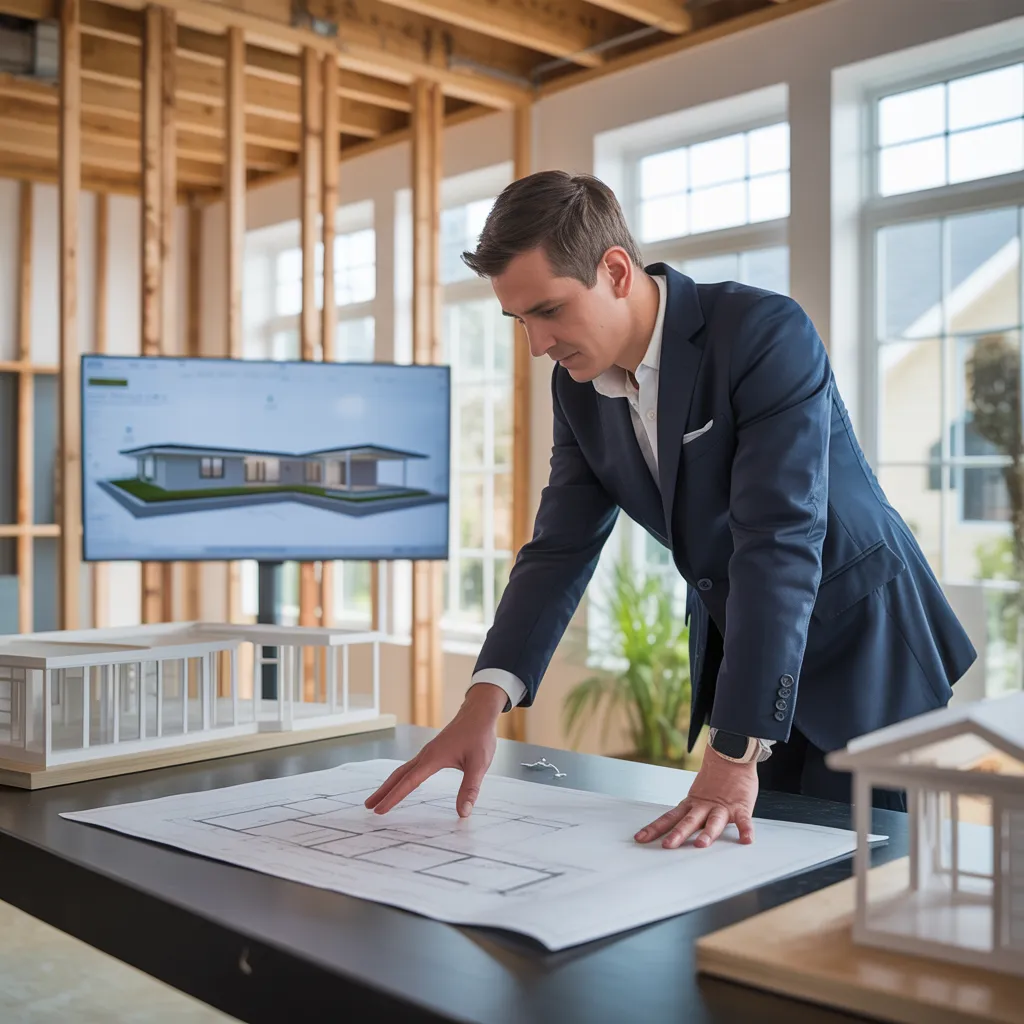
Browse Popular Home Addition Concepts to Reinvent Your Space
Homeowners often seek innovative ways to enhance their living environments, and examining well-known home expansion options can deliver meaningful changes. A commonly preferred selection is the installation of a sunroom, which brings natural light indoors while creating a serene space for relaxation. An equally attractive option is a deck or patio, expanding the usable space into the outdoors and ideal for hosting gatherings.
Homeowners might also think about expanding their kitchens, rendering them more practical and welcoming. A garage extension not only supplies more storage capacity but can also serve as a workshop or hobby space.
For those needing additional sleeping quarters, a bedroom addition can offer essential privacy and comfort. Furthermore, repurposing attics or basements into usable spaces creates an opportunity for imaginative design while optimizing the available square footage. Each of these ideas has the potential to enhance both functionality and aesthetic appeal, ultimately transforming a home into a more enjoyable environment.
Ways Home Additions Can Improve Your Lifestyle?
Home additions can significantly improve living space, giving families the space they need to grow and adapt. Additionally, expanding a home can lead to increased property value, making it a wise financial investment. Lastly, these additions often foster deeper family connections by establishing communal spaces for activities and gatherings.
Transform Living Space
Extending a home through residential additions can markedly enhance one's way of living by providing greater convenience and ease. For growing families, extra rooms can accommodate growing needs, such as a playroom for children or a dedicated home office. A thoughtfully designed addition can establish a smooth connection between interior and exterior areas, promoting leisure and connection. Additionally, including elements like open floor plans or large windows fosters a feeling of openness and harmony with nature. Improved living areas also support individualized design selections, showcasing unique tastes and styles. Overall, residential additions not only optimize existing areas but also develop spaces that enhance well-being and elevate everyday living.
Improve Property Value
Committing resources to home additions can substantially boost a property's market value, making it a wise financial decision. By increasing living space or introducing useful living zones, property owners can draw in prospective buyers and boost selling prices. Features such as additional bedrooms, updated kitchens, or flexible living spaces regularly produce substantial returns. Furthermore, enhancements like sunrooms or decks not only elevate the home's appearance but also cater to modern lifestyle preferences, further boosting desirability. A well-planned addition can convert a property into a higher-value investment, reflecting the current market trends and buyer preferences. Ultimately, strategic home additions offer an intelligent method of maximizing property value while enhancing the overall living experience for current occupants.
Strengthen Family Bonds
A thoughtfully designed addition can substantially enhance family bonds by developing spaces that encourage interaction and unity. Expansive floor plans, such as family rooms or spacious kitchens, function as hubs for shared activities, encouraging communication and togetherness. Dedicated areas for hobbies or playrooms give children a place to explore, while adults can enjoy nearby social spaces. Additionally, including outdoor living spaces, like patios or decks, enables families to come together in a relaxed environment. These enhancements not only promote everyday interactions but also create a backdrop for memorable gatherings and celebrations. Ultimately, thoughtfully designed home additions transform living environments into supportive spaces that strengthen family ties, enhancing overall quality of life.
Essential Design Elements to Enhance Your Home Addition
As homeowners plan a home addition, incorporating key design components can greatly improve both visual appeal and practicality. Key elements include natural light, which can be achieved through large windows or skylights, establishing a luminous and appealing area. Furthermore, an open floor plan promotes seamless flow between original and expanded sections, establishing an atmosphere of harmony.
Integrating coordinating materials and tones confirms the addition harmonizes with the original structure, upholding architectural integrity. Thoughtful configuration of fixtures and furnishings elevates functionality, ensuring the area serves everyday needs. Connections to outdoor spaces, such as a patio or deck, help broaden living areas and foster outdoor relaxation. Furthermore, sustainable design approaches, featuring adequate insulation and green materials, promote enduring cost reductions and environmental stewardship. By concentrating on these fundamental design principles, residents can craft a harmonious and stunning addition that enriches their home life.
Successfully Plan Your Home Addition Project
Effective planning is vital for a productive home addition project. Homeowners should begin by defining their goals, whether it's creating more living space, improving usability, or raising the home's value. Creating a solid vision helps guide the planning and building process. Next, reviewing regional zoning ordinances and construction codes is critical to ensure adherence and prevent possible complications.
Building a roadmap that defines every stage of the project aids in ensuring direction and accountability. Residents would benefit from consulting professionals, for example designers or contractors, to receive expert guidance and simplify the process.
In addition, stressing the importance of communication within the team promotes cooperation and tackles problems as they emerge. To conclude, planning ahead for upcoming demands can assist in crafting an addition that maintains its value and functionality. By following these steps, homeowners can approach their home addition endeavors with increased certainty and focus.
Budgeting for Your Home Addition: Essential Tips
Budgeting for a home addition demands thorough planning and careful thought to avoid unexpected expenses. Homeowners should begin by determining a practical budget that encompasses all components of the project, including permits, materials, labor, and unforeseen expenses. It is advisable to allocate a further 10-20% of the entire budget for unexpected circumstances.
Gathering and evaluating quotes from multiple contractors can offer useful information and assist in reaching well-informed choices. Furthermore, homeowners should prioritize their needs versus wants, guaranteeing that key components are incorporated while staying within their budget.
Establishing a detailed timeline can assist in aligning expenses with construction stages, minimizing economic stress. Ultimately, seeking guidance from a financial advisor or a construction specialist can shed more light on potential costs and financing options, guaranteeing that the finances stay controlled throughout the residential addition endeavor. This thoughtful strategy contributes to a successful and financially sound home expansion.
Real-Life Home Addition Projects That Will Inspire You
Remarkable property addition renovations highlight the incredible promise of home interiors. One notable example is a humble cottage-style residence that was subject to a transformative transformation with a clean-lined, modern extension. By including a expansive kitchen and entertaining area, the residents enhanced their culinary experience while creating a welcoming social space for family and friends.
A remarkable transformation highlights a compact dwelling that grew upward with a appealing loft, optimizing the area while adding a cozy reading nook. This clever design not only added functionality but also infused character into the home.
Ultimately, a traditional ranch house incorporated a current look with a fully glazed sunroom, filling the interior with an abundance of natural light and offering stunning views of the garden at the rear of the property.
These actual transformations demonstrate the diverse possibilities for home additions, motivating homeowners to consider their own personalized improvements and redefine their living environments.
Frequently Asked Questions
What Permits Do I Need for a Home Addition Project?
For those planning a home addition project, it is typically necessary to obtain a construction permit, approval from the zoning board, and possibly electrical or plumbing permits. Municipal regulations differ, so consulting with municipal authorities is essential to ensure all requirements are met.
How Long Does It Usually Take to Finish a Home Addition?
A typical home addition typically takes anywhere from two to six months to complete, based on factors including size, complexity, permits, and weather conditions. Effective planning and contractor performance can significantly impact the timeline.
Can I Continue Living in My Home Throughout the Addition Process?
Indeed, homeowners can generally remain in their homes during the addition process. However, considerations like the scope of the project, construction location, and noise levels may affect daily comfort and access, requiring temporary adjustments or accommodations during the building process.
What Common Mistakes Should You Avoid When Planning an Addition
Typical pitfalls to website steer clear of during addition planning encompass misjudging the overall budget, neglecting permits, overlooking structural integrity, not considering long-term requirements, and overlooking the importance of professional advice. Thorough planning ensures a more seamless process and superior outcomes.
How Can I Select the Best Contractor for My Project?
To choose the right contractor, it is important to investigate experience, check references, and ensure open communication. Evaluating several estimates and evaluating prior experience can assist in identifying dependability and suitability for the specific home addition project.